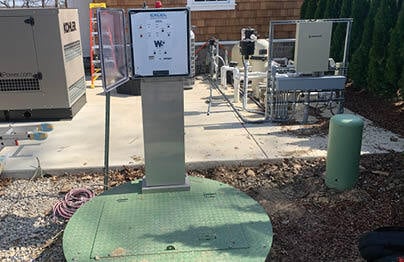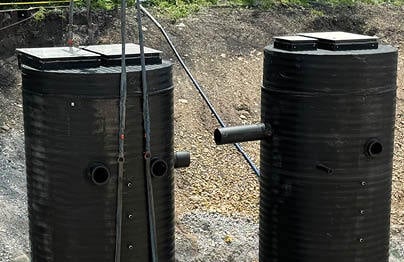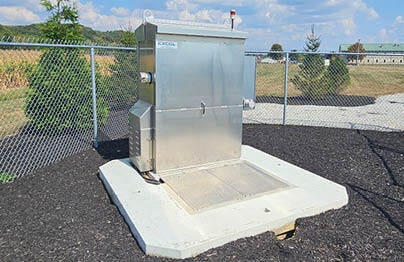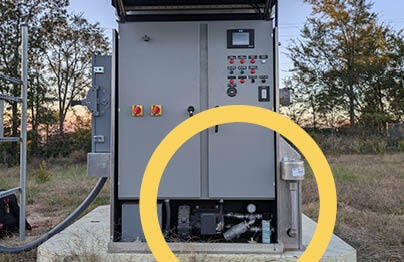
We've used our 30+ years of experience within the pump station industry to create a tool to help you find the price range of the most effective turnkey pump station solution. We'll help you determine some requirements for your project's needs and then you'll receive a budget range for your records.
Note: This tool is currently designed for duplex pump stations. For other flow designs, please reach out to one of our Sales Engineers at |CONTACT_PHONE|.
These values will be used to determine what pump horsepower and wet well size you need.
The currently supported max station flow is |MAX_MGPD| MGPD (equivalent to |MAX_GPM| GPM).
The currently supported max household count is |MAX_HOUSEHOLD_CT| households.
The currently supported max fixture count is |MAX_FIXTURE_CT| fixtures.
For flows outside of this range please contact us directly at |CONTACT_PHONE|

Each industry has their own unique challenges of what they pump, solids intake, corrosion concerns and more.
Determining what your pump station will pump is critical in figuring out what pitfalls to avoid. Each industry has their own unique challenges of what they pump, solids intake, corrosion concerns and more.
|DAILY_FLOW_INFO_TEXT|
EPA recommended is 4
The currently supported max station flow is |MAX_MGPD| MGPD (equivalent to |MAX_GPM| GPM).
The currently supported max household count is |MAX_HOUSEHOLD_CT| households.
The currently supported max fixture count is |MAX_FIXTURE_CT| fixtures.
This maximum is constrained by your forcemain diameter of |FORCE_MAIN_DIAM_OVERRIDE|in.
For flows outside of this range please contact us directly at |CONTACT_PHONE|
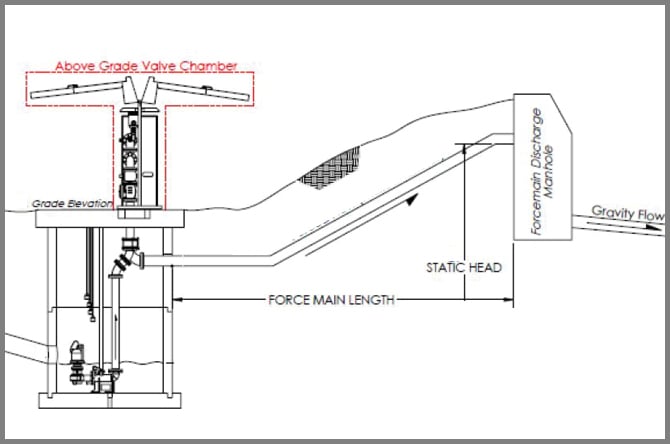
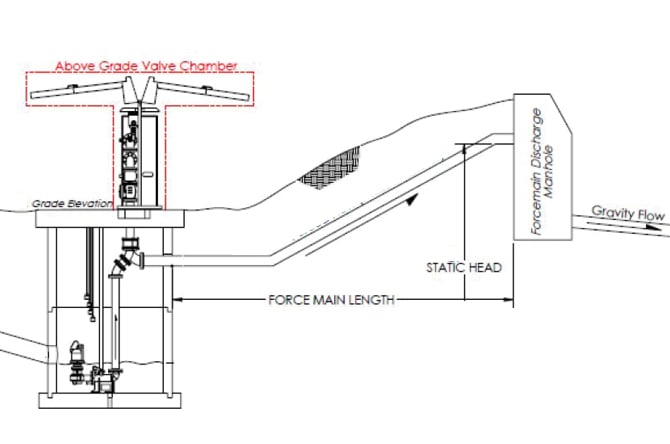
This will help us calculate the Total Friction Loss of your pump station to determine your minimum requirements.
If you don't have the specific elevations for your station on hand, that's OK. We can calculate what we need comparing to the grade (ground level).
This will be used to help determine the inlet distance below grade.

By getting the high point elevation we will be able to calculate total static head (ft).
Negative for below grade, positive for above.
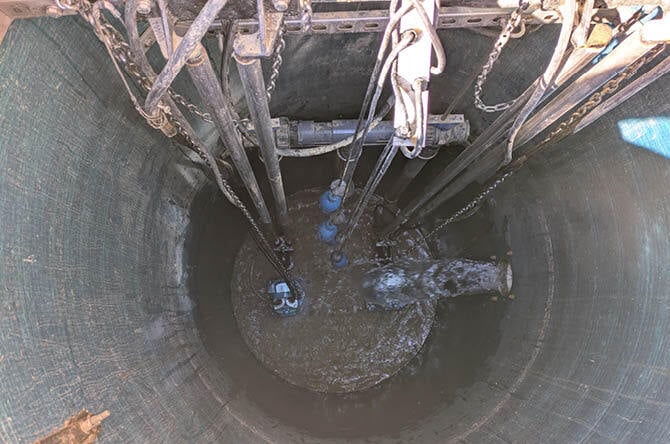
This will help us determine what the depth of your wet well for your pump station should be. While depth requirements can vary by state and location, a good rule of thumb is to be at least 5 ft. deep and below the frost line.
Your project appears to be a little unique, reach out to get your station quoted!
Email: |CONTACT_EMAIL|
Phone: |CONTACT_PHONE|
Based on the information you provided, your well size recommendation is:
|WELL_DEPTH_FT|ft deep
|WELL_DIAM_FT|ft wide
Do you wish to proceed or would you like to adjust your sizing?
Your initial well diameter was |PRE_VALVE_DIAM|ft wide by |PRE_VALVE_DEPTH|ft deep. This was caused by your choice of valve configuration (|VALVE_CONF|).
Excel Fluid Group has an in-depth understanding of pump stations and the associated challenges that are inherent with them. To help your get the most efficient and effective pump station, let us know which of the following commonly seen industry challenges you want to plan for.
Recommended when pumping process wastewater over 140°F.
Pumps designed to function in high-temperature environments, that move process wastewater require specific construction. They are available in various types and are commonly made from cast iron or stainless steel.
Elevate your pump station to keep it operational up to the 100-year flood level.
In order to keep your pump station accessible, operational, and maintenance ready during a flood there are many approaches pump station designers use. The four main features that a pump station needs to meet the 100-year flood level requirements are:
In wastewater applications, H2S is the Achilles heel of any concrete or sanitary pump station.
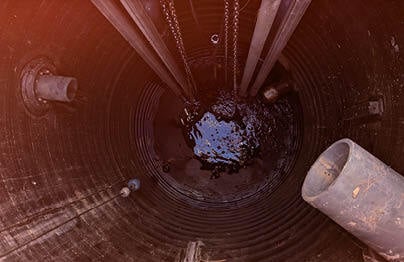
Hydrogen sulfide is a destructive gas that provokes acid corrosion, specifically in concrete. Dissolving in water, it creates a weak acid that causes pitting in the vicinity of oxygen or, more commonly in wastewater, carbon dioxide. From there the gas eats away at concrete walls of a wet well. In wastewater applications, pump station designs with long force mains provide ample time for the wastewater to go septic. Once septic, it gasses off leading to hydrogen sulfide production and H2S corrosion. While concrete pump stations protect against this with additional add-mxitures or coatings, An HDPE wet well will give you an 100-year design life that is immune to H2S without any additional requirements.
Utilizing a pump station with a small footprint can bring down the design costs, permitting fees and property cost.
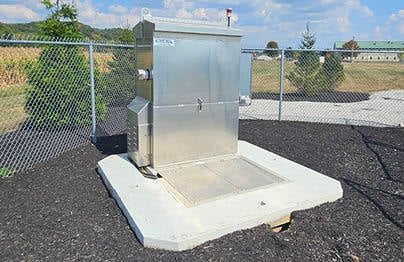
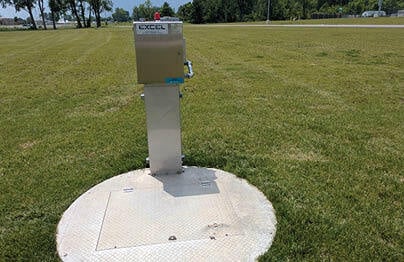
Whether your designing a pump station with valves above grade or compacted in an integrated valve vault, a smaller footprint can be beneficial to the overall construction costs. The Excel NoVault design incorporates the valves and lift station controls within the footprint of the main wetwell. For installation in areas with limited space the Excel NoVault provides all of the features commonly found in conventional lift stations. The NoVault pump station is the designer’s dream come true; with the smallest footprint available and aesthetics to blend into your environment it has become the first choice for many developers, consultants and communities. An integrated fiberglass pump station design allows for an underground compact and turnkey solutions when required.
Avoid pump station designs that require maintenance or operating from dangerous areas.
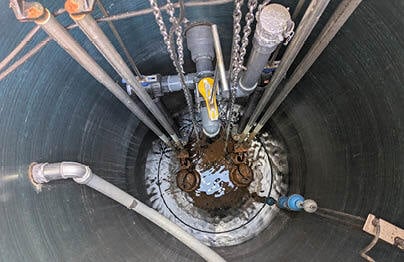
A wet well is a dangerous confined space that has claimed many lives in years past. This places a special obligation of care on all those involved in servicing and installing pump stations. Excel Fluid Group has worked with municipalities throughout North America to develop the Excel NoVault Pump Station to minimize your risk, by providing a well designed, safe installation where all maintenance can be performed above grade without entering the wet well or valve vault.
For sanitary pump stations located near public areas, preventing pungent smells can be critical.
When placed in the center of a wet well‚ the Wet Well Wizard aggressively aerates and mixes wet well influent. Continual microbial activity combined with constant agitation stimulates growth of aerobic microbes in wastewater‚ digests organic wastes throughout the system‚ prohibits the ability of H2S to form‚ and prevents FOG formation in the wells.
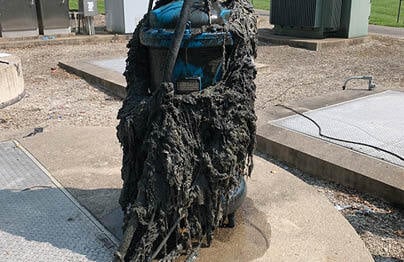
More and more foreign objects are getting into waste streams that can wreck havoc on standard pump systems.
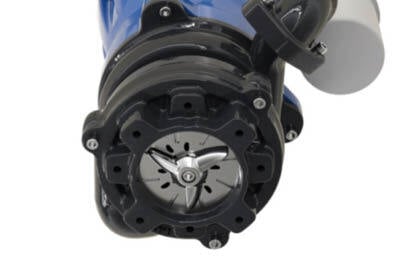
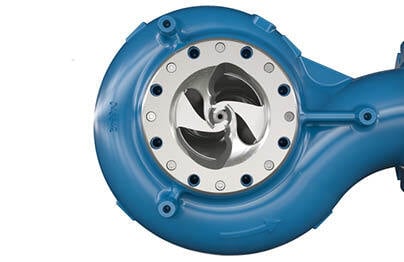
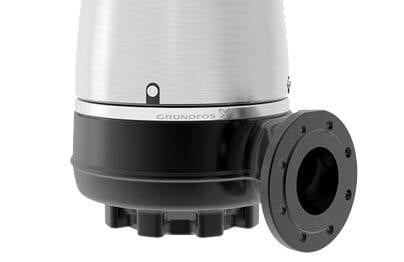
Water saving appliances like toilets, dishwashers, and washing machines are great in concept. In practice though, water saving appliances put a strain on waste streams by creating higher concentrations of sewage. More and more there are foreign objects getting into waste streams that have no business being there. We’ve seen greatly marketed flushable wipes, not be so flushable. Additionally, cloth materials have increasingly been flushed causing monumental clogging issues. Don’t forget, this is all on top of natural solids already in the waste stream. Any of this can and does wreak havoc on a standard pump system. Because of this, pump companies have been forced to research and innovate their products with solids handling, grinder, and chopper designs.
When constantly pumping water and wastewater, it is important to be aware of the high voltage electrical power used to run the application.
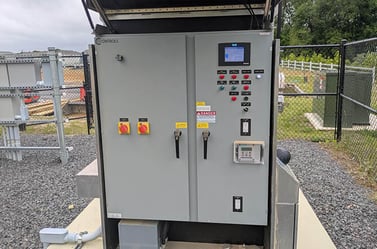
When working with pump stations constantly pumping water and wastewater it is very important to be aware of the high voltage electrical power used to run the application and safely minimize the user’s risk. That is why at Excel Fluid Group, we have worked with municipalities all throughout North America to develop the ArcSentry™ Control Panel. It provides a well-designed, intrinsically safe panel where maintenance can only be performed in the most dangerous areas when the compartment’s power is off. This prevents Arc-Flash electrical hazards as high and low voltage components are separated.
Suggested when your pump station is in or around roads, parking lots or other motor areas.
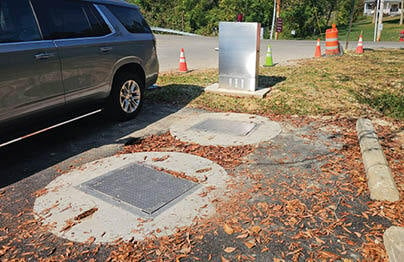
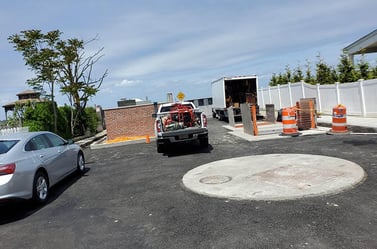
When placing a pump station near or in a roadway or parking lot area, we recommended using a H20 traffic-rated hatch. The reinforced hatch cover meets the American Association of State Highway Transportation Officials’ H-20 load rating to handle 16,000 lbs. wheel load and therefore a 32,000 lbs. axle load.
Whether its a separate storage tank or additional sizing for the wet well, it can increase your time during an emergency power outage.
With heavy flow during an emergency you want to be prepared with a little extra wet well depth. We recommend giving yourself some extra time to react by adding additional depth. Based on how many minutes of emergency storage you’d like, we can calculate the extra needed depth of the wet well.
Allow for a better back up plan with a portable or permanently installed back up generator
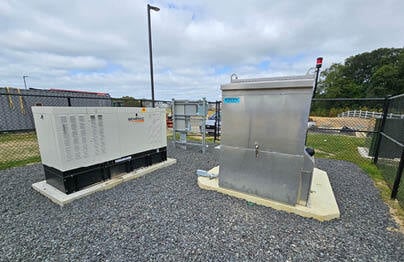
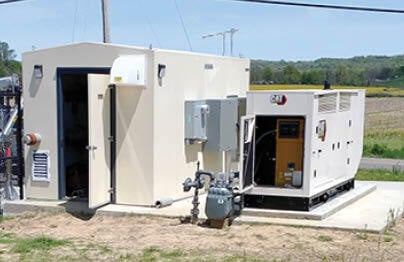
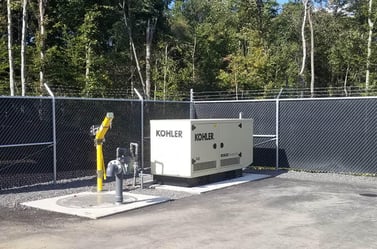
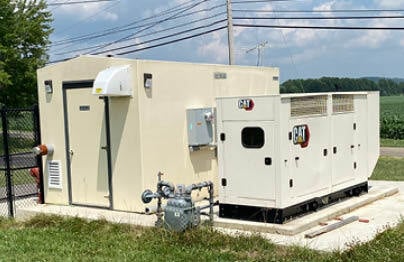
When pump stations are needed most, they need to have crucial power to do the job they were designed for. More focus has been directed to better pump station design and overall emergency preparedness in the areas greatly affected. We have been a part of projects all across the country that allow for a better back up plan. These include emergency power supplies that allow the station to work when the main power is down. This is primarily done with either portable backup generators with a manual transfer switch or a permanently installed backup generator with an automatic power transfer switch.
Emergency storage was selected as a requirement. Please enter how many minutes of emergency storage you would like.
Flood zone was selected as a requirement. Please enter the maximum flood elevation (ft).
Concrete, fiberglass, and HDPE wet wells all have their benefits and their concerns. With our pump station expertise and based on your industry, your pump station’s primary application, and your site specific risks, we recommend using .
To extend the life of a concrete wet well against H2S and other outside elements, treatments can be applied. These treatments can range from add-mixtures, paints, epoxies, and more. While these treatments may protect against corrosion for some period of time, the longest warranty we've seen on the market is only good for 10 years. While all these coatings work as solutions, they are all temporary fixes. Depending on the application, many of these treatments will need reapplication roughly every 2 year for epoxy to every 10 years for Polyurea coatings.
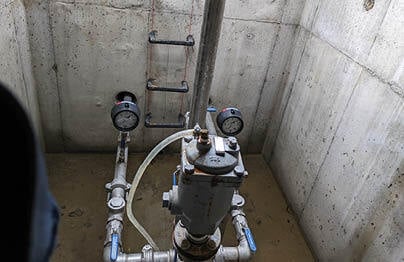
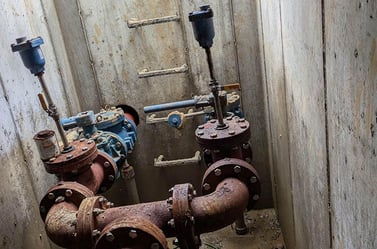
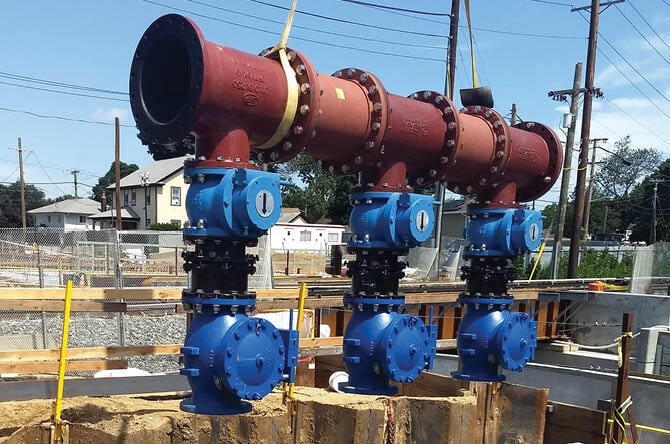
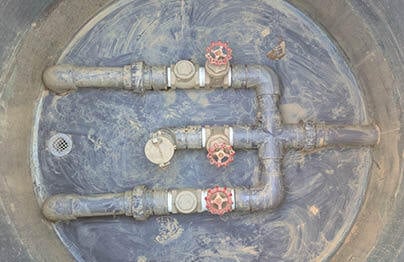
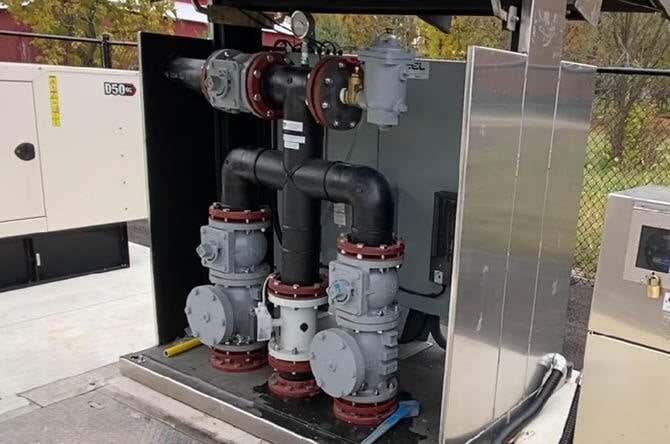
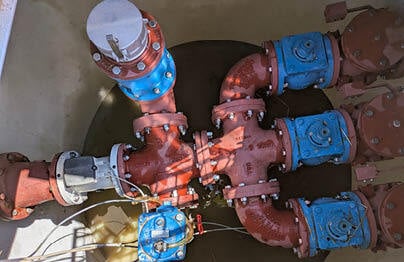
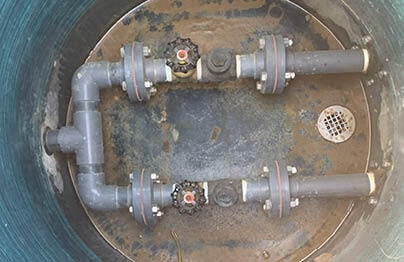
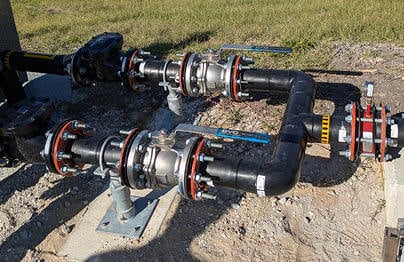
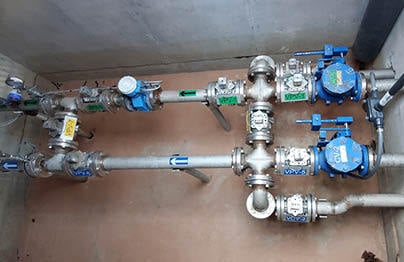
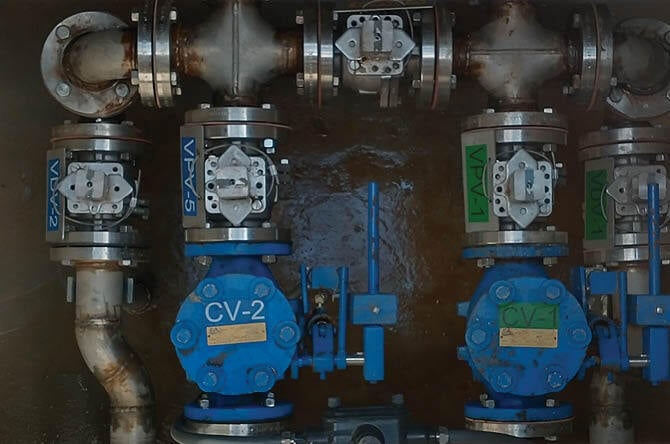
Pump station valve configurations provide benefits like preventing backflow, re-circulation, and water hammer, allowing for safe maintenance through isolation, and enhancing efficiency through pressure control and system balancing. Proper valve selection is crucial for protecting pumps from damage, ensuring operational reliability, and reducing overall system costs.
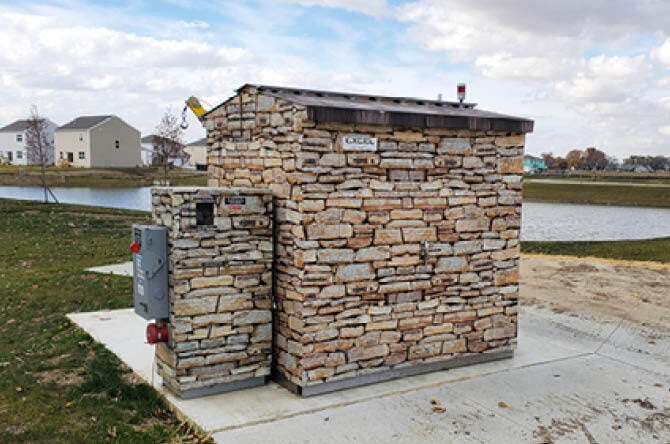
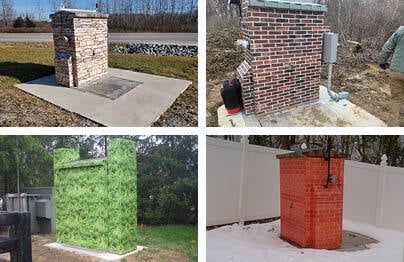
To help it blend in with it’s surroundings, we can wrap the NoVault™ enclosure. Depending on if it’s in a location like a residential housing development, near commercial stores, or any where a pump station could be an eye sore, it can be a nice alternative.
Applied to the NoVault™, a vinyl exterior finish is resistant to mild alkalis, mild acids and temperatures from -65° to 225° F. Available in:
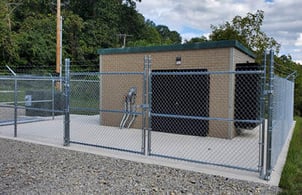
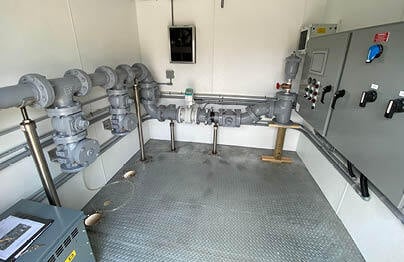
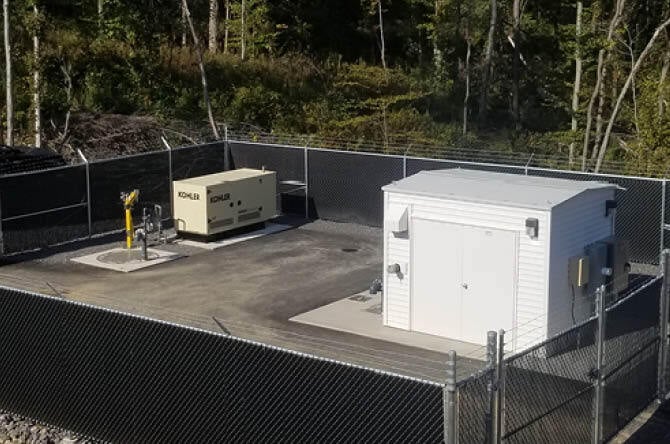
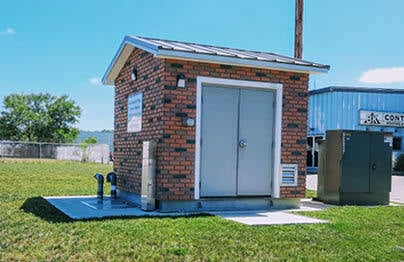
Our prefabricated enclosures arrive fully assembled as we pre-install any components in our warehouse before the building arrives on site. This provides a quicker and easier install process. These buildings are typically adjacent to the wet wells and provide ample walk-in space for easy service and maintenance access. Third-party signed and sealed structural building drawings and calculations provided during the submittal or shop drawing process.
Hatches with safety grates in a pump station are important, not only for safe working conditions but for ease of use as well. Depending on your wet well set up and application type below are some recommendations for your solution.
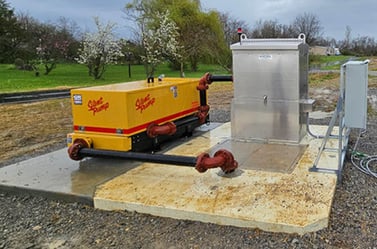
With a packaged pump station, we’re able to deliver from a single source which will minimize scope gaps, reduce installation risk and exposure to items being missed in the bid. This allows you to pick and choose additional ease-of-life components that make your pump station easier to operate for your application.
The pipes of a pump station are like the gas line or hose line to your car engine. Without them, there is no place for the water or wastewater to go. Depending on the length and size you need to run (as well as the application type), the type of piping you use in your pump station can greatly affect the cost up or down.
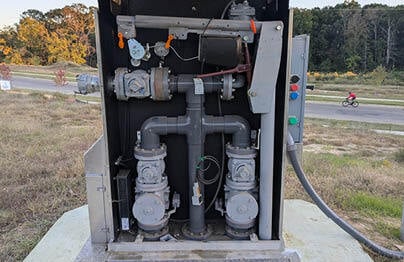
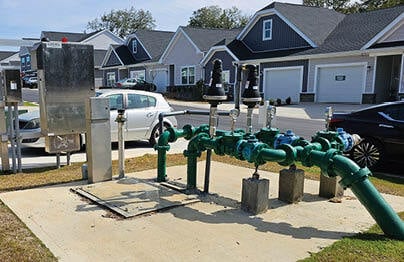
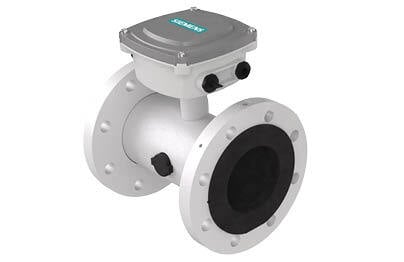
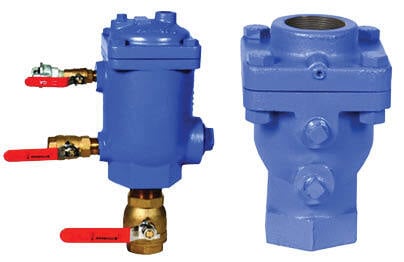
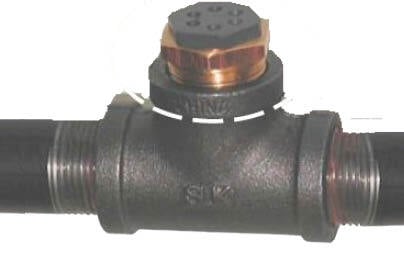
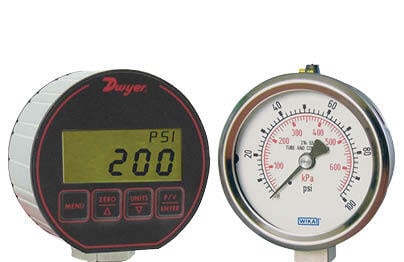
Every engineer and contractor knows mechanics play a huge role in the overall performance of the pump station. These include the gauges, valves, flow meters, and more.
Note: All valve header options include a check valve and plug valve. A Bypass is included with a NoVault, prefabricated enclosures, above grade, and integrated or separate valve vault designs.
Water saving appliances like toilets, dishwashers, and washing machines are great in concept. In practice though, water saving appliances put a strain on waste streams by creating higher concentrations of sewage. More and more there are foreign objects getting into waste streams that have no business being there, like greatly marketed flushable wipes, that turn out to be not so flushable. Depending on your application, it might be best to use different types of submersible pumps that can handle solids by grinding, chopping or other means.
As part of the complete packaged system, we test the controls with their project specific pumps and floats to ensure everything is working as intended before leaving our Cleveland, OH facility. This allows for quick and easy installation and the peace of mind knowing that start up is just a retest with the electrical system from the factory.
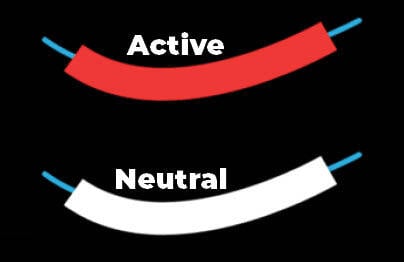
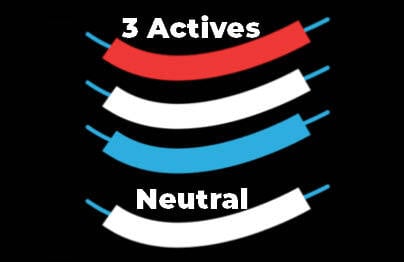
The difference between Single Phase power and Three Phase power is Single Phase uses one AC wave while Three Phase uses three synchronized waves for more efficient, smoother, higher power. Additionally higher voltage offers better efficiency for large motors by drawing lower current, meaning smaller wires and less power loss, though both are standard in US industrial settings.
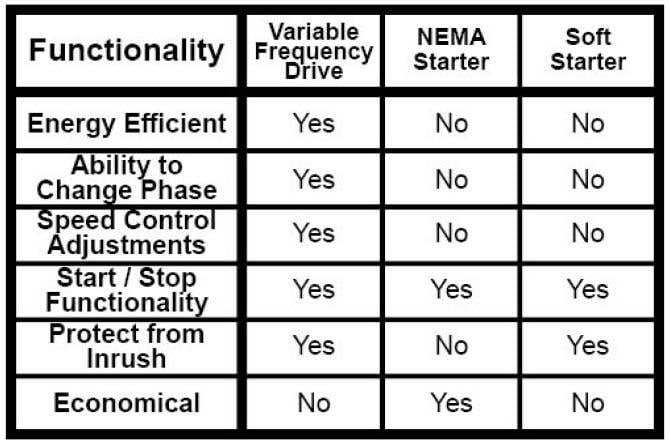
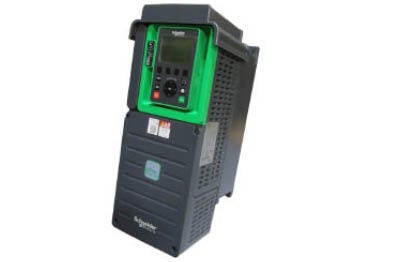
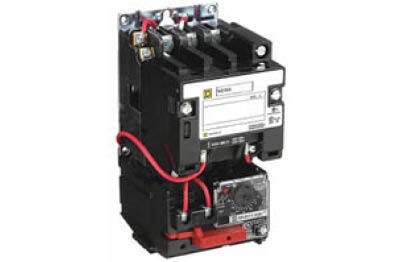
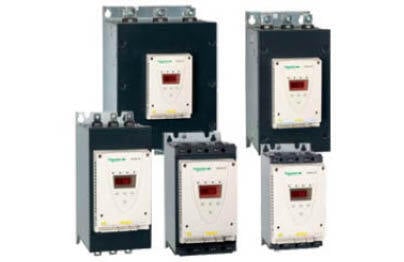
There are multiple ways to energize and start an electric pump motor, however they have varying capabilities and cost. Each can change the range and flexibility of your pump efficiency and in turn, longevity.
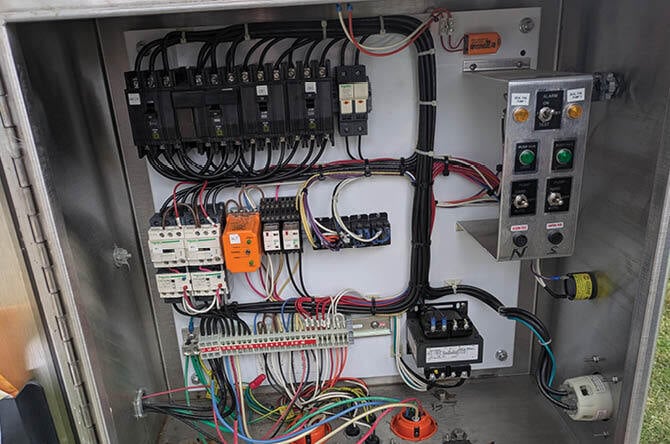
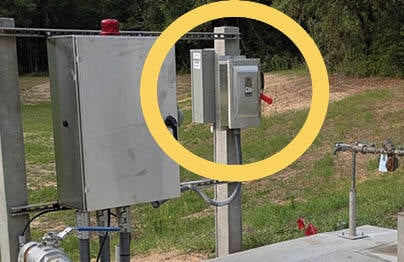
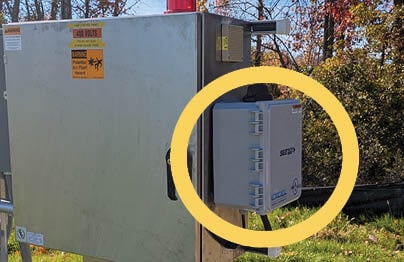
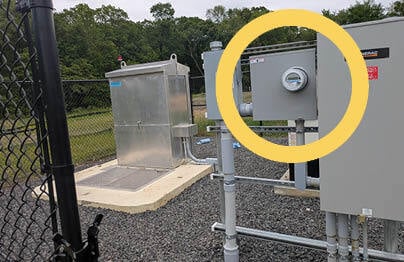
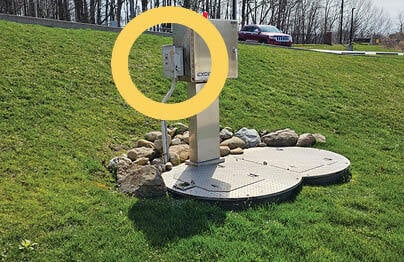
When it comes to the controls or electrical components of a pump station, there can be a plethora of choices. There are a variety of electrical add-on options to make maintaining your station an easier and more pleasant experience. While there are others available, the main three additional components we would recommend include meter bases, generator receptacles, SCADA systems, and stainless steel panel stands.
Required for projects federally funded, the "Build America, Buy America" (BABA) Act mandates that 55% of the pump station’s total cost must be produced in the United States. This includes all iron, steel, manufactured products, and construction materials used in the infrastructure project. The goal is to support American jobs and manufacturing by strengthening domestic supply chains and ensuring that taxpayer dollars for infrastructure are invested back into the U.S. economy.
Also for federally funded projects, the American Iron and Steel (AIS) provision requires that iron and steel products used in projects funded by Clean Water State Revolving Fund (CWSRF) or Drinking Water State Revolving Fund (DWSRF). This applies to the construction, alteration, or repair of public water systems and treatment works. The provision aims to support American manufacturing and jobs by mandating domestic iron and steel products are used for water infrastructure projects.
Based on your packaged pump station size and your location, we’ll calculate what type of truck you’ll need and how it will get to you. Note: If shipping outside of the lower 48 Untied States, we will calculate the shipping costs separately.
Price Range: +/-15%
Cost: $|COST_LOW| to $|COST_HIGH|
Note, BABA certification requires AIS certification
Shipping is not included in this result.
Please reach out to us via phone at |CONTACT_PHONE| or email |CONTACT_EMAIL| to get an estimate on shipping costs.
Based in Cleveland, Ohio, we work with Engineers, Developers, Municipalities, Private Utility Companies and Contractors throughout the United States. Our goal on every project is to offer exceptional value, reduce installation costs, increase speed of installation and reduce long term service costs for the end user.
Most Common in Industry
Readily Available
Generally Accepted in the Engineering Community
20-year Design Life Pretreatment
H2S Corrosion
Groundwater Infiltration
Impossible to preassembl Completely
Preassembled for fast installation
40-year Design Life
H2S Resistant on its own
Not cost effective in large structures
Requires ready-mix concrete collar for counter buoyancy
Monolithic Structure
H2S Resistance with No Additional Coatings
100-year Design Life
Prefabricated for Faster Installations
Double Walled for Leachate Applications
Higher Upfront Cost
Not as Common Within the Industry
Typically Longer Lead Time
Most common in industry
Traditional Setup
Larger Footprint
Differential Settlement
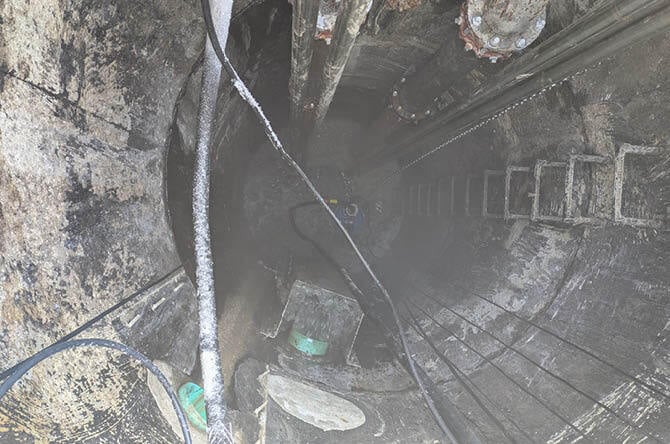
Confined Space Entry
Compact Footprint that Enables Less Utility Easements
Factory Preassembled and Tested
Lead times of 8-12 weeks
Limited design capability
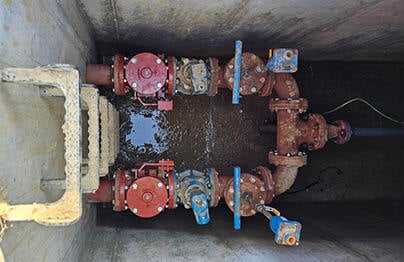
Valves are within the wet well
Compact Footprint that Enables Less Utility Easements
Factory Preassembled and Tested
Lead times of 8-12 weeks
Confined Space Entry
Eliminates Confined Space Entry
Factory Preassembled and Tested
Compact Footpring that Enables Less Utility Easements
Lead times of 12-16 weeks
More Visible to Pedestrians
Typically Eliminates Confied Space Entry
Factory Preassembled and Tested
Room to fit larger designs
Higher upfront cost
Typically Longer Lead Time (26-30 weeks)
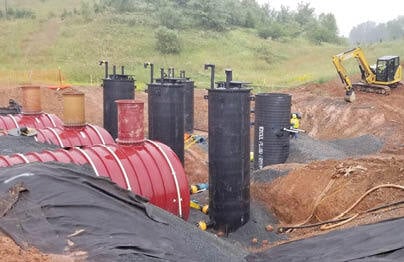
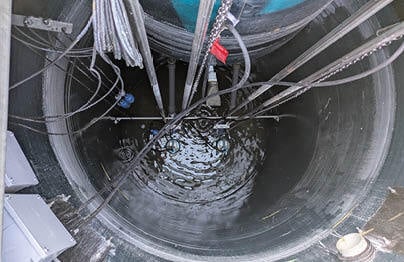
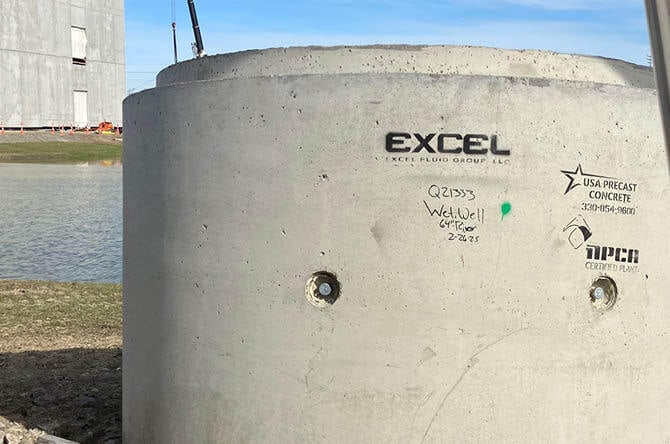
H2S Corrosion can be detrimental to any concrete wastewater pump station. While you can apply paint, epoxy, or polyurea coatings inside your concrete wet well, we recommend changing the wet well material all together. HDPE (high density polyethylene) is inert to H2S all together and has a 100 year design life against harsh conditions. We typically see fiberglass wet wells in commercial lift station applications. These have about half the design life as HDPE but similarly don’t require any additional coatings. Lastly, polymer concrete wet wells are twice as strong as regular concrete but can't be pre-assembled prior to its arrival at the installation site. Being nonporous and consistent throughout the structure helps it protect against H2S more efficiently than a typical cement mixture.
HDPE and Fiberglass arrive at the site prefabricated, tested, and ready to install. Fiberglass has a 40-year design life and is H2S resistant. HDPE ups the ante with a 100-year design life and is inert to H2S corrosion requiring zero additional coatings. Both are good for sanitary wastewater applications. These are some of the newer innovations in the wet well market, where concrete is the most common within the industry but has the shortest design life and often requires the most maintenance to avoid any faster deterioration.
Pump stations are commonly designed to have a 50-year life span, and if a high-density polyethylene (HDPE) or polymer concrete wet well is used, then a 100-year design life is achievable.
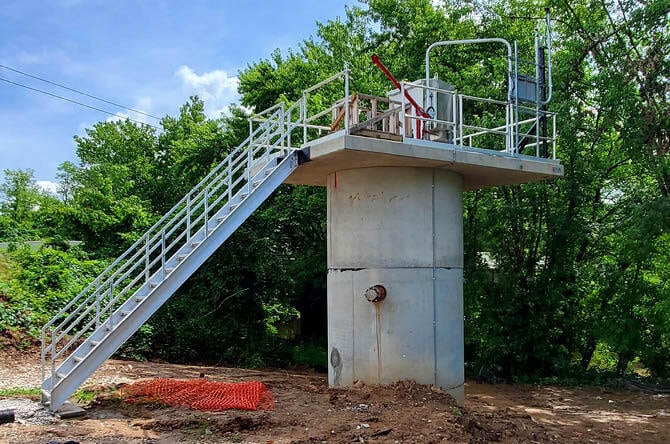
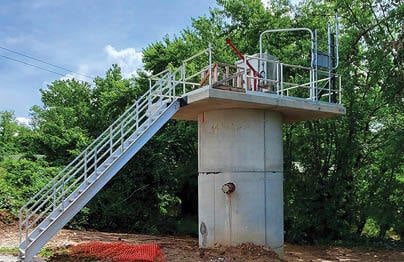
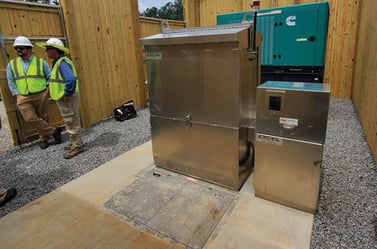
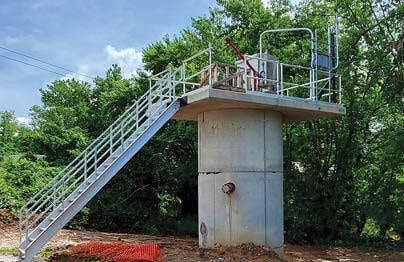
Our recommendation for a compact pump station is the NoVault enclosure mounted on the wet well as this removes the underground valve box typically provided in a traditional pump station design. This can also be provided on a riser to ensure the valves and controls are above the 100-year flood levels. The NoVault has operator safety and service convenience included, in addition to its compact footprint.
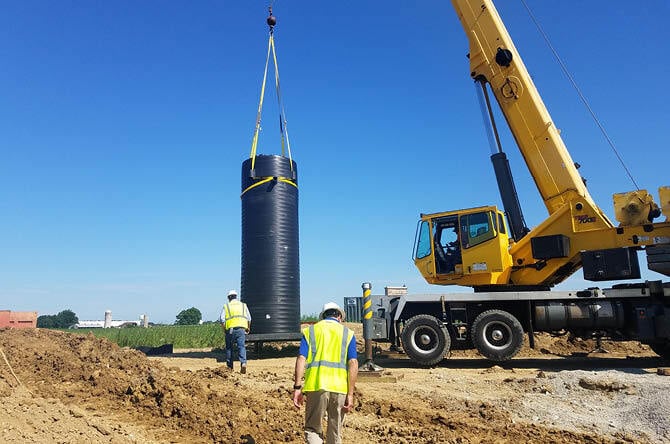
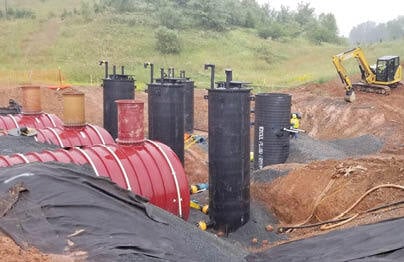
As a rule of thumb, when installing a fiberglass pump station, we recommend using the same equipment used during the excavation process. Typically, if it can reach the bottom of the excavation it can handle the weight to install it. A 3 ft. diameter by 10 ft. deep pump station can weigh as little as 890 lbs. On the other extreme, 10 ft. diameter by 40 ft. deep HDPE pump stations can weigh over 19,000 lbs. We're happy to provide general weights for shipment and installation for any of your pump stations.
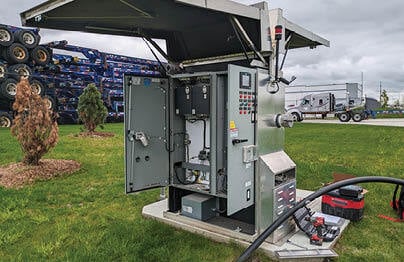
The NoVault arrives at site with the control panel and valve piping prefabricated. You can pick the enclosure with an excavator, forklift, or any other machinery rated for lifts over 2,500 lbs. (for the NV2) and 3,500 lbs. (for the NV3). For the NV2, use the lifting lugs at the top of the station and for the NV3 use lifting bars that slide through the floor of the station.
Packaging the controls and piping in an enclosure saves days, if not weeks of on site installation time. Additionally, factory install any electrical control panels or components (like SCADA, transfer switches, flow meter displays, etc.) that are necessary for the job. Furthermore, you get the peace of mind that the electrical components of a control panel are all tested, UL approved, and performance tested with the project specific pumps. This allows for a straightforward installation as per the design requirements.
The design flow rate, force main size, wet well design, electrical service, and solids content in the pumped media are key deciding factors in making a pump selection for a pump station.
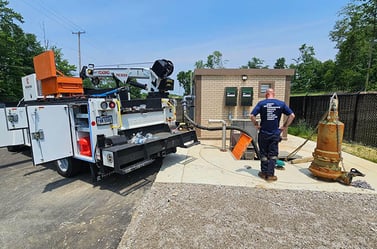
Regular preventative maintenance of any pump station can help keep it running at optimal performance and prolong the service life. General service includes removing debris and cleaning the interior of the wet wells, exercising the valves, testing each pump motor, checking piping for buildup and performing electrical checks on the pumps and switchgear.
Maintenance cost and requirements can vary based on the pump station type and age. As with any infrastructure, additional wear and failures can happen with age and have a direct impact on your pump station maintenance budget. Additionally, ongoing pump station expenses that impact every pump station include electrical consumption and service personnel wages. A good rule of thumb when planning annual maintenance costs is to budget $3,000 to $5,000 per month. This will provide ample funds if a pump, valve, or electrical switchgear needs to be replaced or upgraded.